
FHWA Approves IDOT’ s Construction Activities Set Forth in July 31st Letting
The Illinois Department of Transportation’s (“IDOT”) letting took place on July 31, 2026. This meeting was part of the department’s regularly scheduled procurement cycle, which occurs seven times a year. This letting included projects for highway construction, construction-related services, and airport upgrades. IDOT issues the Notice of Letting to advertise and solicit bids for highway
State Agency Paid Staffing Firm $78.5 Million for Contractors’ Standby Time
In a report ordered by a 2024 resolution from the Legislative Audit Commission and released on August 11, 2026, the office of Illinois Auditor General Christopher Meister found that the Illinois Emergency Management Agency-Office of Homeland Security (IEMA-OHS) was poorly managed and monitored its use of contractors during fiscal years 2022 and 2023. The biggest
Illinois Ends State QSBS Exclusion and Introduces New Corporate NOL Limits
Illinois has enacted two significant income-tax changes that may affect business founders, investors, and C corporations operating in the state. On June 16, 2026, Governor J.B. Pritzker signed Public Act 104-0468, which separates Illinois from federal tax treatment of qualified small business stock (“QSBS”) gains and imposes additional limits on corporate net operating loss (“NOL”)
FTC Settlement Puts Tenant-Screening Accuracy in Focus
Tenant-screening reports can play an important role in deciding whether someone is approved for a lease. A recent federal case shows how inaccurate or incomplete information in these reports can create problems for applicants, property managers, and the companies that prepare the reports. On July 9, 2026, the Federal Trade Commission announced a proposed settlement
Illinois Gas Taxes Rise 154% Since 2018
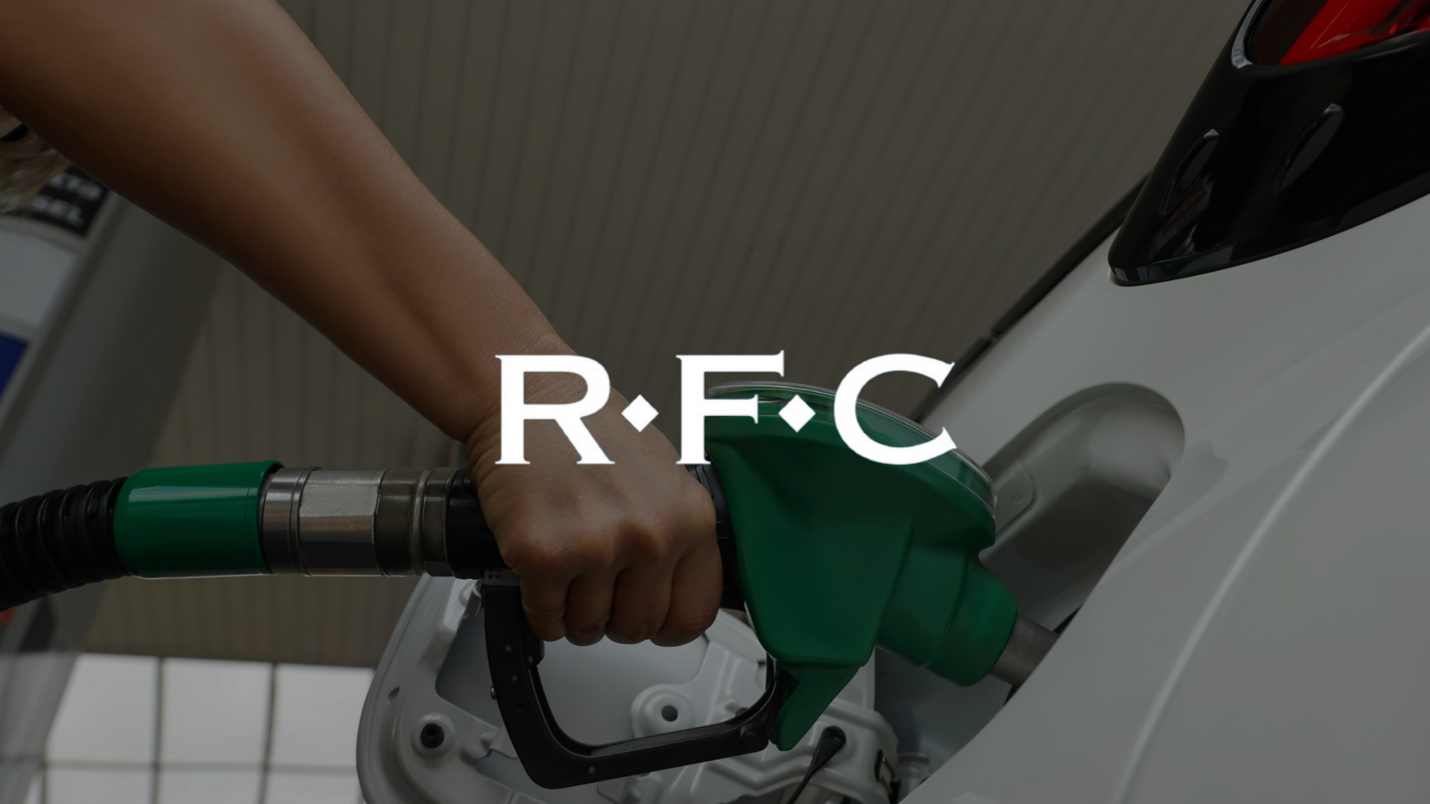
Between 2018 and 2026, gas taxes in the State of Illinois increased 154% Currently, the State of Illinois imposes the second-highest gas tax of any state, second only to California. Further, Illinois is one of only three states that apply their state’s sales tax to gasoline purchases. Illinois’ high gas tax rate is in part
J.B. Pritzker Signs Bill Intended to Limit Cell Phone Use in Schools

Governor J.B. Pritzker has signed Senate Bill 2427, requiring school boards across Illinois to implement policies prohibiting student cell phone use during instructional time. The bill passed both the Illinois Senate and House despite opposition from the Chicago Teachers Union. The legislation requires school boards to prohibit students from using wireless communication devices during school
Illinois Ranks Second to Last in the United States on Building New Housing

The rate of homebuilding in Illinois in the past year was second-to-last among U.S. states, beating only Alaska in homes per capita. From June 2025 to May 2026, Illinois issued 157 permits for new housing units. This is less than half the national figure: 412 permits for every 100,000 U.S. residents. In Alaska, where sensitive
Illinois Remains Among the Nation’s Highest Sales Tax States
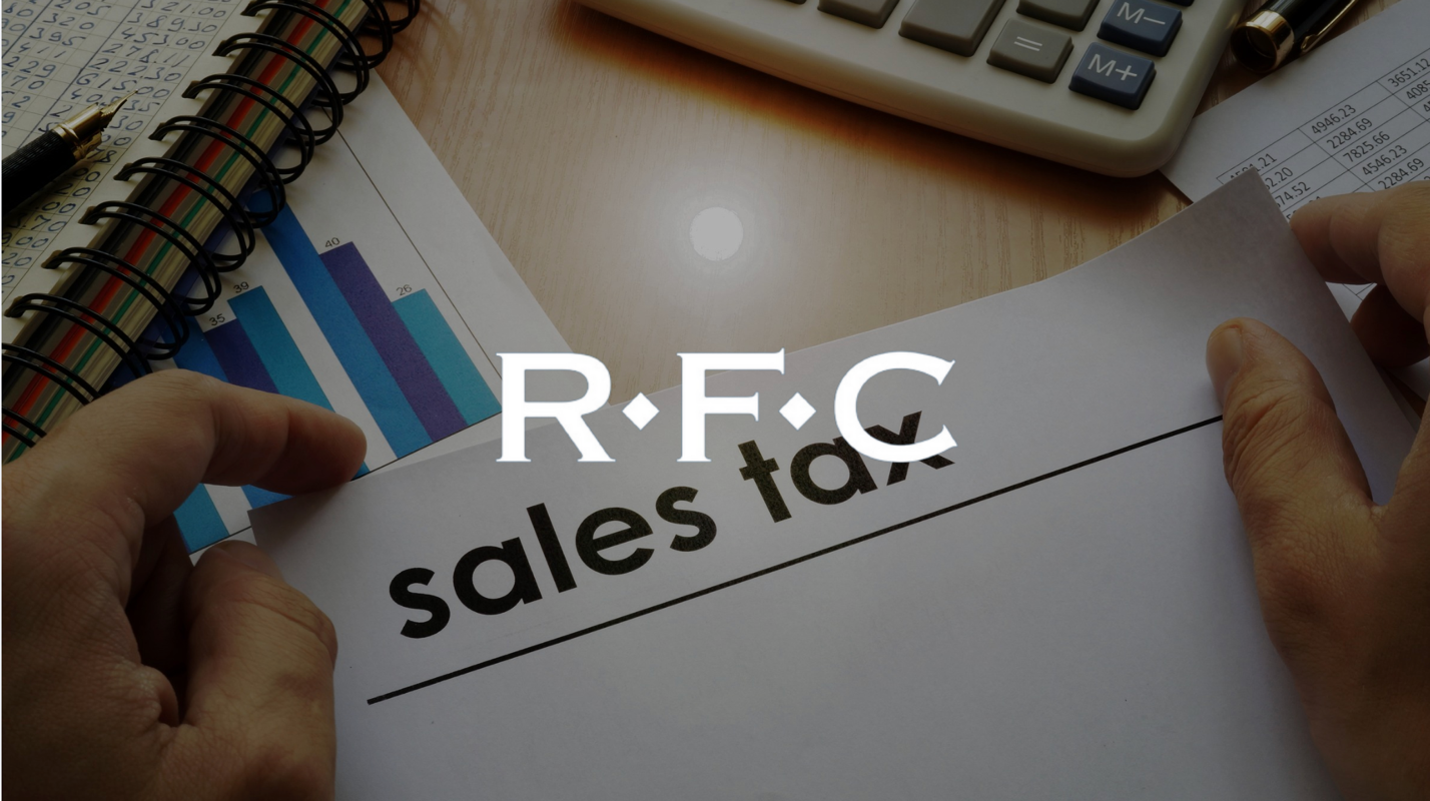
Illinois continues to rank among the states with the highest combined state and local sales tax rates in the nation. According to the Tax Foundation’s Midyear Report released on July 1, 2026, Illinois has a statewide sales tax rate of 6.25% and an average combined state and local sales tax rate of approximately 8.98%, placing
Illinois Enacts Children’s Social Media Safety Act

On July 31, 2026, Governor JB Pritzker signed regulations targeting social media corporations and “addictive algorithms” that keep children glued to their devices. House Bill 5511, known as the Children’s Social Media Safety Act, imposes requirements on social media companies and how they present their applications to users under 18 years old. The Children’s Social
I-PASS Glitch Cautions Subscribers About Unpaid Tolls
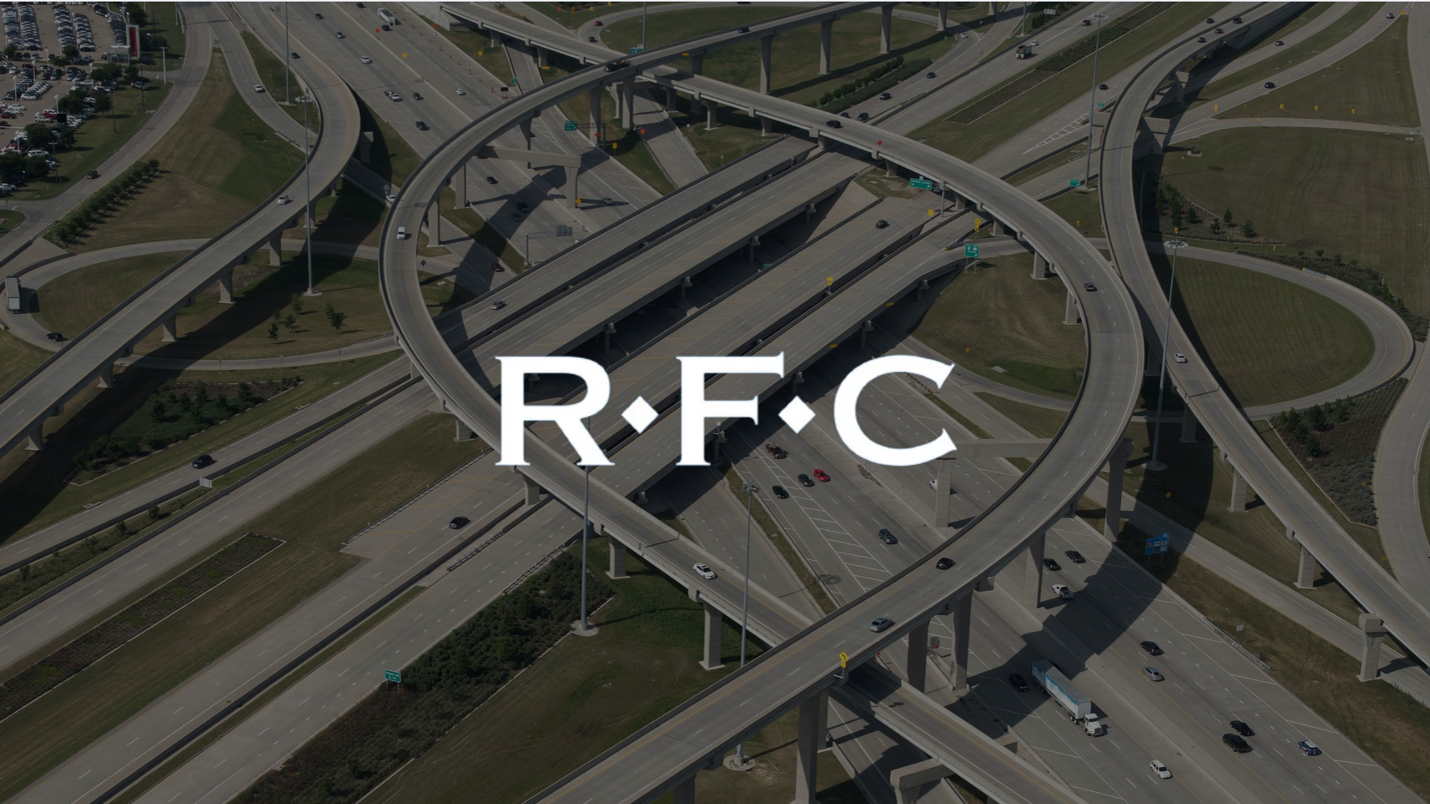
There’s a big problem with the Illinois Tollway that has caused thousands of I-PASS customers to receive notices about unpaid tolls from trips taken as far back as July 2025. This all came to light when a CBS News Chicago producer discovered a warning in the I- PASS app while updating a credit card on