
Chicago Red-Light Camera Late Fees Account for Nearly Half of Revenue
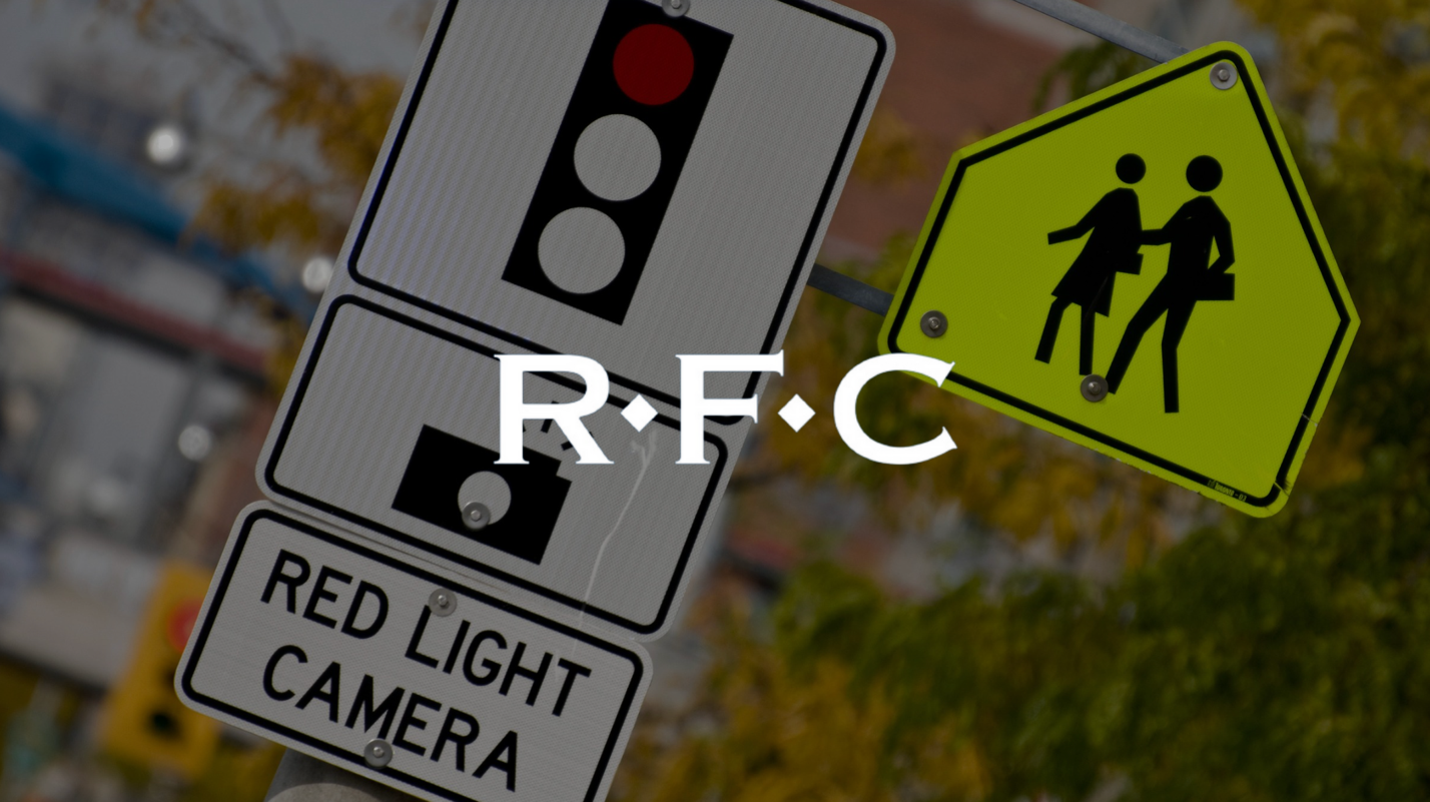
Chicago’s red-light camera program generated $47.1 million in revenue in 2025, with nearly half coming from penalties imposed on drivers who did not pay their tickets on time. According to a recent analysis of City data, Chicago collected approximately $24.8 million from initial red-light camera fines and another $22.3 million from late penalties in 2025. Chicago currently operates red-light cameras at 149 intersections throughout the City.
Red-light camera violations in Chicago carry an initial $100 fine. If the ticket is not paid or contested within 21 days, an additional penalty may be imposed, potentially doubling the amount owed. The City also offers payment plans and certain relief programs for qualifying motorists who are unable to pay outstanding violations in full.
Chicago maintains public data regarding red-light camera violations and camera locations, allowing motorists to identify where cameras operate and track enforcement activity throughout the city. The city also provides procedures for motorists to search for and contest automated camera tickets before a determination becomes final.
The city maintains that its red-light camera program is intended to improve traffic safety by encouraging drivers to comply with traffic signals and reducing dangerous intersection violations. The program operates through automated enforcement at designated intersections, while motorists can contest violations through the City’s administrative hearing process. The program has nevertheless remained the subject of debate in Chicago. Supporters generally view automated enforcement as a tool to discourage dangerous driving and improve traffic safety. Critics argue that the substantial revenue generated by fines and late penalties raises concerns about the financial burden imposed on motorists, particularly those who may have difficulty paying an initial ticket on time
For motorists and businesses operating vehicles in Chicago, the figures highlight the importance of addressing automated traffic violations promptly. Failing to pay or contest a violation on time can substantially increase the amount owed, while eligible motorists may have access to City payment-plan options.
For more information regarding Chicago municipal regulations and other legal developments affecting individuals and businesses, please contact the qualified attorneys at Rock, Fusco & Connelly, LLC.