
FMCSA Temporarily Relaxes Hours-of-Service Rules for Fuel Haulers
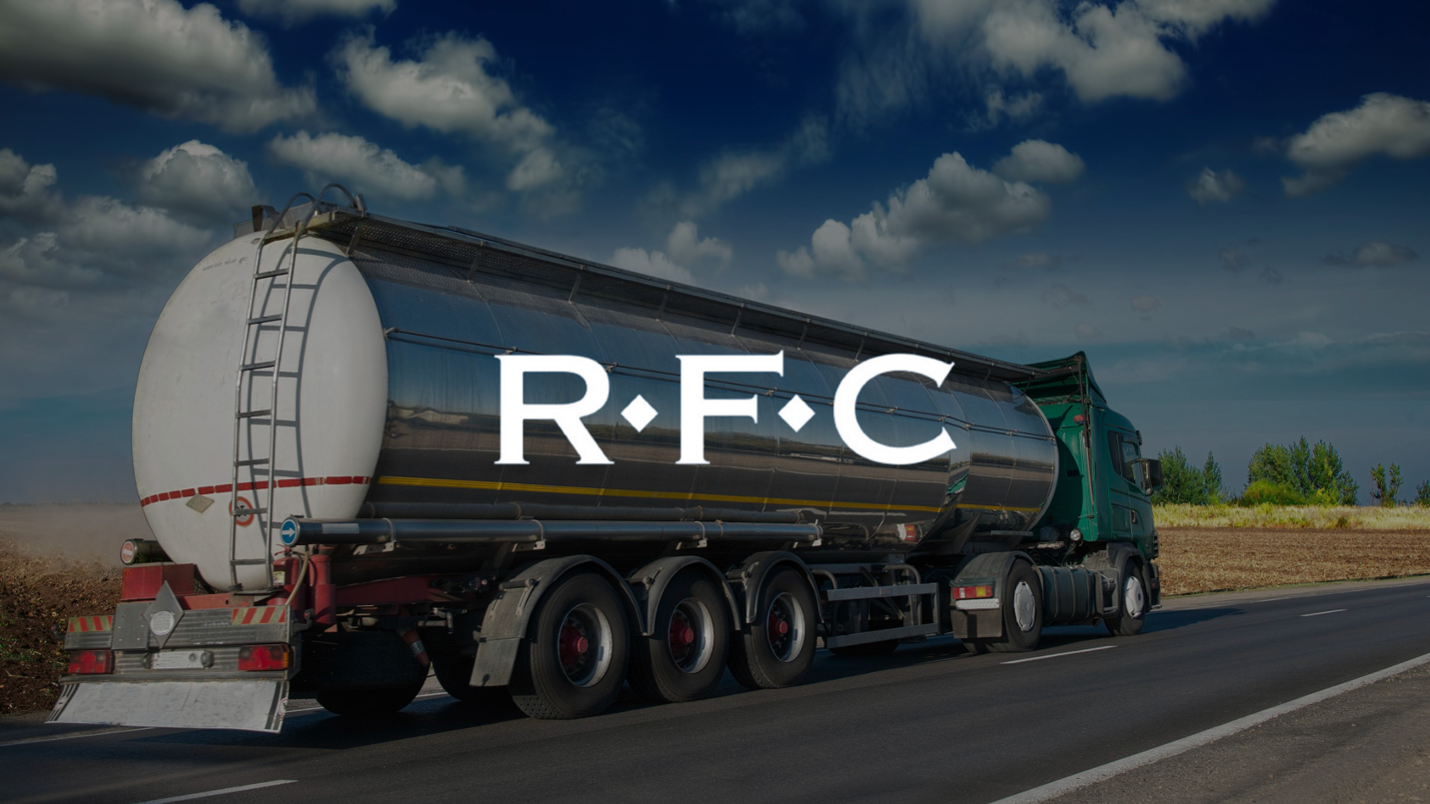
The Federal Motor Carrier Safety Administration (FMCSA) has issued a temporary waiver giving motor carriers and drivers transporting gasoline and diesel fuel more flexibility under federal hours-of-service (HOS) rules. The waiver took effect on September 16, 2026, and remains in place through December 16, 2026. FMCSA said it issued the waiver in anticipation of increased fuel demand during late summer and fall, as well as ongoing supply chain challenges that could affect fuel distribution.
According to FMCSA, a reliable supply of gasoline and diesel fuel is essential to transportation, agriculture, and the broader economy. To help ensure fuel is delivered efficiently to businesses, farmers, transportation providers, and consumers, the agency determined that temporary relief from certain HOS requirements was warranted. FMCSA also concluded that the waiver serves the public interest and can be implemented safely, provided carriers and drivers follow the waiver’s conditions.
The waiver temporarily relaxes certain HOS requirements for eligible drivers and motor carriers transporting gasoline and diesel fuel. However, it does not eliminate all limits. Drivers may not drive more than 16 hours within a 24-hour period and must continue to take required rest breaks. Drivers must take at least six consecutive hours in a sleeper berth each day, or eight consecutive hours off duty if a sleeper berth is unavailable. Additionally, any driver who needs immediate rest must be allowed to stop work and take at least 10 consecutive hours off duty before returning to service.
Only qualified carriers and drivers may operate under the waiver. Drivers must hold a valid commercial driver’s license with the appropriate endorsements and carry a copy of the waiver, either electronically or on paper. Carriers with a conditional safety rating, as well as carriers and drivers currently subject to an out-of-service order, are not eligible.
The waiver does not affect other federal or state safety requirements. Rules governing commercial driver’s licenses, drug and alcohol testing, insurance, hazardous materials transportation, and vehicle size and weight limits remain fully in effect. Carriers operating under the waiver must also report qualifying crashes to FMCSA within two business days.
FMCSA emphasized that the waiver is intended to address temporary fuel supply and distribution concerns while maintaining safety protections. The agency may revoke the waiver if safety issues arise or if the waiver no longer serves its intended purpose. Unless terminated earlier, the waiver will remain effective through December 16, 2026, providing temporary flexibility to support fuel deliveries during a period of expected increased demand.