
Illinois Ranks Second to Last in the United States on Building New Housing
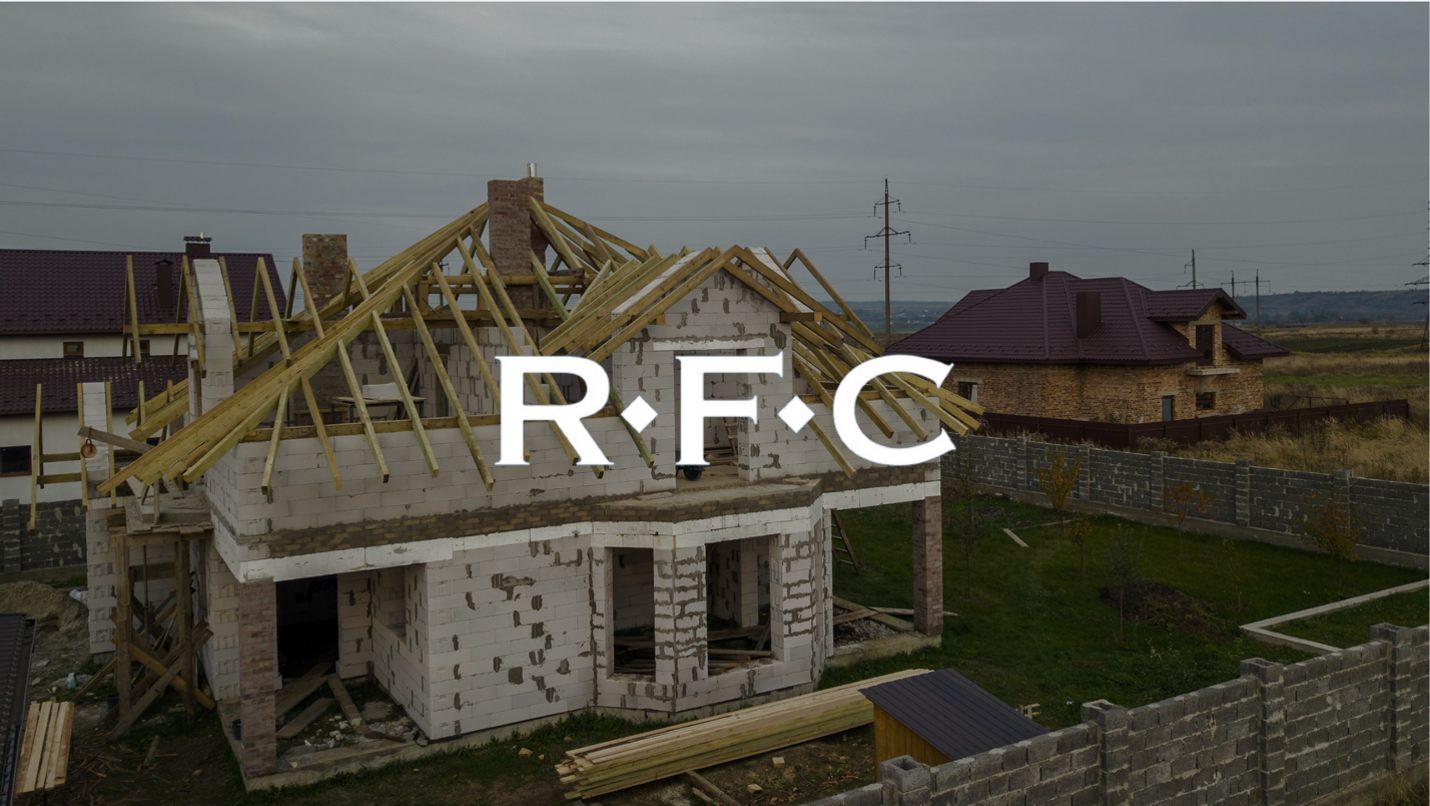
The rate of homebuilding in Illinois in the past year was second-to-last among U.S. states, beating only Alaska in homes per capita. From June 2025 to May 2026, Illinois issued 157 permits for new housing units. This is less than half the national figure: 412 permits for every 100,000 U.S. residents. In Alaska, where sensitive environmental conditions and a lack of roads limit construction, 109 permits were issued per 100,000 residents.
Short-term impacts of the low rate of new construction in Illinois include even higher home prices. Because of the low availability of new homes, buyers are paying premium prices. Renters are also paying more due to the shortage.
Long-term impacts include lost opportunities to bring in job engines, according to David Young, director of capacity building at Housing Action Illinois. Electric vehicle maker Rivian, for example, created 8,000 jobs at its plant in Normal, but the local housing market was not equipped to handle the population increase, and employees had to look almost 50 miles away for housing. Young warns that companies looking to make similar investments in manufacturing may look to other states with higher rates of new housing construction.
Low construction rates are not a new development in Illinois. A 2023 report ranked Illinois among the three lowest-ranked states, and a 2025 report ranked Chicago last among major U.S. metros for new home construction. Most estimates say the state is short at least 140,000 housing units.
According to Erik Doersching, CEO of Tracy Cross and Associates, a consultancy serving the homebuilding industry, the problem is not with demand but rather with unchanged supply-side factors. Tight zoning rules, high cost of labor and materials, and slow entitlement of land are causing the deficit. Doersching noted that while land entitlement takes about two to three years in Illinois, it takes less than a year in regions like the Carolinas and Texas that are building larger numbers of homes.
Governor JB Pritzker’s BUILD initiative was an effort to increase homebuilding across the state by relaxing zoning rules to allow higher density and accelerating permitting, among other components. It failed in Springfield this spring largely because mayors and legislators rejected the notion of a statewide approach to zoning; they felt it would usurp local control.
If you have questions about Illinois’ housing shortage or its implications, contact the qualified attorneys at Rock Fusco & Connelly, LLC.