
Rebuild Illinois Collected Billions for Roads. Why Haven’t Drivers Seen Better Results?
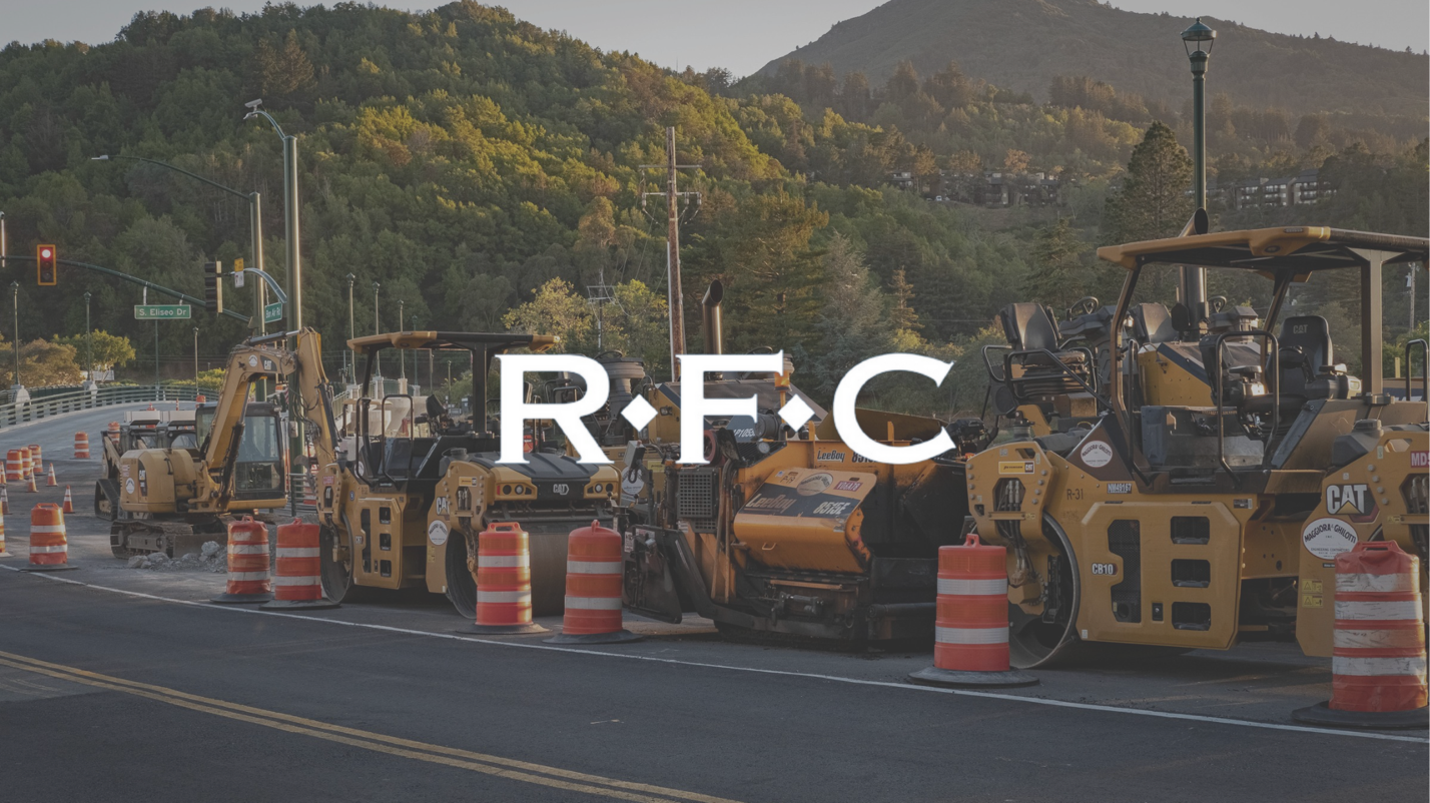
When Illinois launched the Rebuild Illinois infrastructure program in 2019, state leaders promised major investments in roads and bridges funded by higher transportation-related taxes and fees. Seven years later, however, many drivers are still waiting to see noticeable improvements.
While Road Fund revenue has grown significantly since the law took effect, spending has not kept pace. The state is collecting transportation dollars faster than it is spending them on road and bridge projects. Most of the increase in spending occurred during the program’s first two years, but since 2022, spending growth has slowed to an average of just 1.3% annually, below the inflation rate.
As a result, the Road Fund has accumulated a large surplus. By the end of the fiscal year 2025, the fund reportedly held $3.7 billion. The Illinois Constitution “lockbox” provision is intended to prevent those dollars from being used for non-transportation purposes, helping explain why the fund continues to grow.
Critics argue that taxpayers were promised better roads in exchange for higher taxes and fees, yet road conditions are not noticeably better than they were when Rebuild Illinois began. The Illinois Department of Transportation has not publicly explained why spending on state roads and bridges appears to have leveled off despite rising revenues.
The growing balance has also sparked concerns about how the money could be used. Last year, lawmakers directed more than $1 billion from the Road Fund to help support the Regional Transportation Authority. While public transit qualifies as a transportation expense and does not technically violate the lockbox provision, opponents argue that the move contradicts the original purpose of Rebuild Illinois: repairing roads and bridges.
With billions of dollars sitting in the Road Fund and continued concerns about road conditions across the state, questions remain about whether the promises of Rebuild Illinois are translating into the infrastructure improvements taxpayers were told to expect.